
Short Answer: Fall is the most important season for trees and shrubs, and it is also the one most homeowners skip. Four things matter now in Southeastern Wisconsin: keep watering until the ground freezes, because dry roots going into winter is the leading cause of winter damage; feed the root zone while roots are still actively growing; stop pruning most woody plants, because late-season cuts push tender growth that winter kills; and put deer protection in place before rut season starts damaging trunks. Almost everything that looks like winter kill in spring was actually set up by what did or did not happen in October and November.
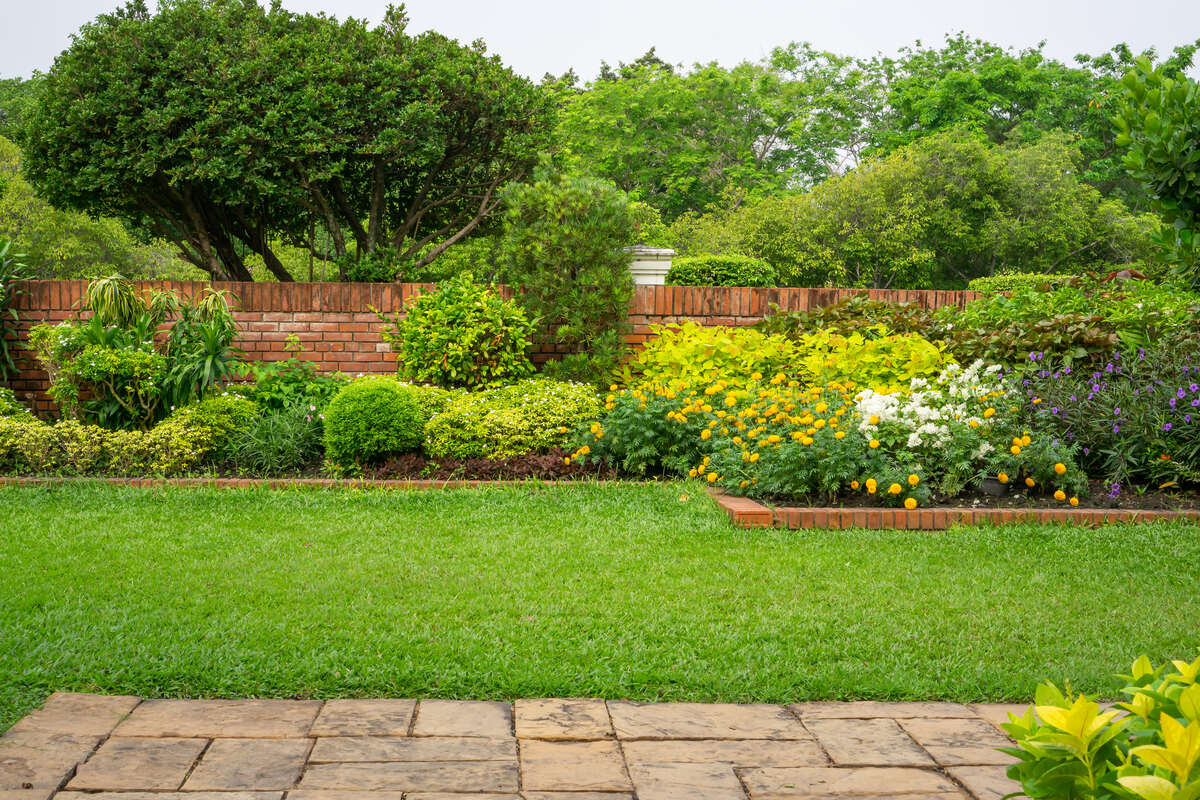
Lawns get most of the attention in fall, and there is good reason for that. But the trees and shrubs on a property are worth far more than the turf, take far longer to replace, and are considerably less forgiving of neglect.
The problem is that fall damage to woody plants is invisible when it happens. A shrub that goes into winter with a dry root system looks fine in November. It looks dead in May. By the time you can see the problem, the window to prevent it closed six months earlier.
Here is what actually matters for trees and shrubs across Waukesha, Milwaukee, Ozaukee, and Washington counties from late September through freeze-up.
If you take one thing from this article, take this: woody plants need water until the ground freezes, and most Wisconsin properties stop watering far too early.
The reasoning is straightforward. Trees and shrubs lose moisture through their tissue all winter, even when dormant and leafless, and especially on windy or sunny winter days. Evergreens lose considerably more, because they hold needles all season. That moisture has to come from somewhere, and the only source is water stored in the root zone and surrounding soil before freeze-up.
A plant that enters winter with a well-hydrated root zone draws on that reserve. A plant that enters winter dry has nothing to draw on, and the result is winter desiccation: browning needles on evergreens, dieback on branch tips, and in bad cases outright loss.
Deep and infrequent is the rule, and it is the opposite of how you water new grass seed. The goal is soaking the root zone thoroughly rather than wetting the surface.
For established trees, that means watering slowly out at the drip line and beyond, not against the trunk, because the absorbing roots are in the outer zone. For shrubs, a slow soak at the base and outward. A soaker hose or a slow trickle for an extended period does this far better than a sprinkler pass.
Newly planted trees and shrubs are the highest priority. Anything planted in the last two seasons has a root system that is still small relative to the top growth, and it depends entirely on the soil immediately around it. Those plants should be watered right up until the ground is frozen.
Tree and shrub roots keep growing after the top of the plant has gone quiet. Soil stays warm well after air temperatures drop, and root activity continues into late fall.
That makes fall the right time for root zone feeding. Nutrition applied now goes into root development and stored reserves rather than into a flush of leaf growth, which is the same logic that makes fall the best feeding for turf.
An organic-based approach here focuses on the soil around the root zone rather than pushing the plant. Compost, biological amendments, and slow-release nutrition feed the microbial and fungal networks that trees depend on to access nutrients and water. In urban and suburban soils, which are often compacted and low in organic matter, that biology is usually the limiting factor rather than raw fertility.
This is where good intentions do the most damage. Fall feels like cleanup season, the leaves are coming off, and the structure of every shrub is suddenly visible. The urge to shape everything is strong.
Resist most of it. Pruning stimulates growth, and growth stimulated in late fall is tender, unhardened tissue heading into a Wisconsin winter. It will not survive, and the plant spent stored energy producing it. Late-season cuts also leave open wounds at a time of year when the plant is shutting down its ability to seal them.
Dead, damaged, and diseased wood can come out at any time of year, and should. So can branches that pose a hazard, cross and rub against each other, or interfere with structures and walkways.
Anything beyond that is better left for late winter, when most woody plants are fully dormant, structure is fully visible, and the plant is weeks away from the spring growth that will seal the cuts. Spring flowering shrubs are a further exception worth knowing, because they set next year's flower buds during the previous season, so a late winter cut removes the bloom you were waiting for.
Fall is when deer damage in Southeastern Wisconsin turns from browsing into structural harm. During the autumn rut, bucks rub their antlers against trunks and stems, and a single night of that can strip bark from a young tree in a way it cannot recover from.
Feeding pressure also rises as natural forage thins out, which means arborvitae, yews, and other favorites get browsed harder and later into the season than in summer.
The important part is sequencing: protection has to be in place before the damage, not after. Once bark is stripped, no repellent helps. On properties with regular deer traffic, that means getting repellent applications and physical protection for vulnerable young trunks handled in fall rather than reacting in December.
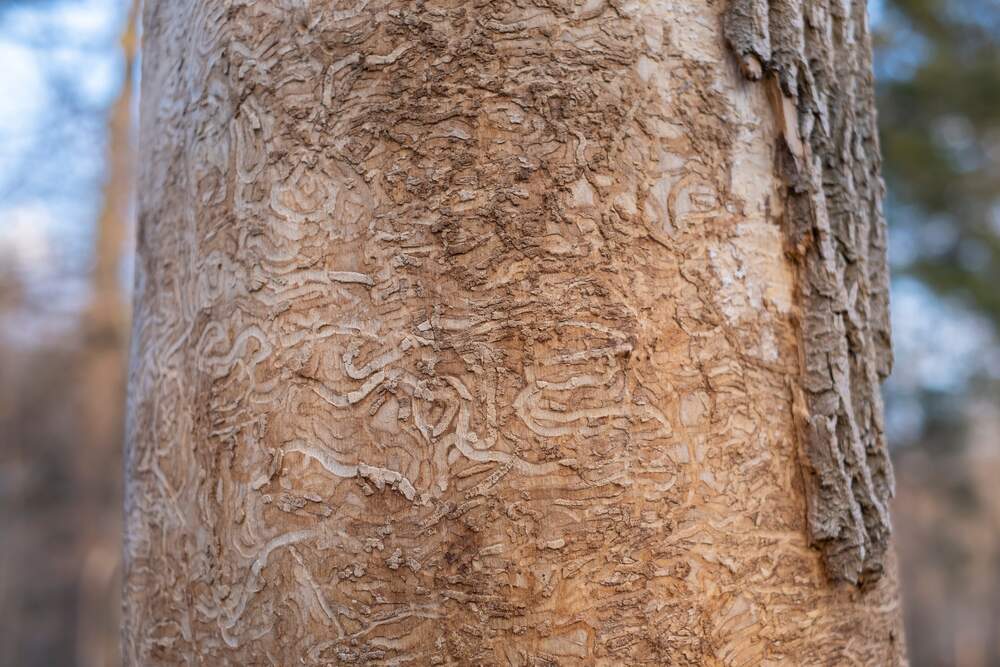
With leaves off, structure and trunk condition become visible in a way they are not in July. That makes fall the most useful inspection window of the year.
Worth looking for: thinning canopy relative to previous years, branch dieback starting at the tips, bark splitting or coming loose, and holes or serpentine tracks under loose bark. On ash trees specifically, canopy thinning from the top down and D-shaped exit holes are the signatures of emerald ash borer, which remains active across our area. Ash that can be protected needs to be identified and treated on a schedule, and that decision is much easier to make in fall than in the middle of next summer.
Insect and disease problems that were present during the season also leave evidence now. Catching them in fall means the treatment plan for next year is built from what the property actually has.
Keep watering deeply until the ground freezes, prioritizing evergreens and anything planted in the last two years. Feed the root zone while roots are still active. Prune only what is dead, damaged, diseased, or hazardous, and save shaping for late winter. Get deer protection in place before the rut. Walk the property with the leaves off and look at trunks, bark, and canopy density. Mulch beds and root zones with shredded leaf or wood mulch, keeping it off the trunk itself.
Until the ground freezes. That is often later than people expect, well into November in a mild year. The relevant signal is soil condition, not the date or the air temperature.
Yes. Evergreens keep their needles through winter and continue losing moisture through them, especially on sunny and windy days, so they enter and exit winter with a higher demand.
It is worse than it looks. The cut itself is minor, but the growth response it triggers produces soft tissue that winter kills, and the wound seals slowly at this time of year. Late winter accomplishes the same shaping without the cost.
Winter desiccation and deer browsing are the two most common causes, and they are often both involved. Both are addressed in fall rather than in spring, which is the frustrating part for anyone discovering the damage in April.
Trees and shrubs are the most valuable living things on most properties and the slowest to replace. Fall is when their next year is decided: water in the root zone, nutrition going into reserves, no fresh cuts pushing tender growth, and protection in place before deer pressure peaks. None of it produces a visible result in November, which is exactly why it gets skipped, and exactly why the properties that do it look different in May.
Want your trees and shrubs looked at before winter, or a fall root feeding on the calendar?
Request a free quote at begreen.pro/get-a-quote
(262) 361-4034
Live greener. Grow better. Enjoy more.
Whether it’s your lawn, trees, shrubs, or pest issues – we’re ready to help you with Eco-friendly solutions. No matter what season.