
Short Answer: A soil test is the difference between a lawn program built on evidence and one built on assumption. Fall is the best time to pull one, because the results arrive with a full season available to act on them. The numbers that matter most on Wisconsin lawns are pH, organic matter, phosphorus, and potassium, and each one points to a specific action. Most lawns in our area come back with two recurring themes: pH drifting slightly acidic and organic matter lower than it should be for clay soil. Neither is fixed by fertilizer. Both are fixed by soil work, which is exactly why the test is worth doing before you spend anything else.
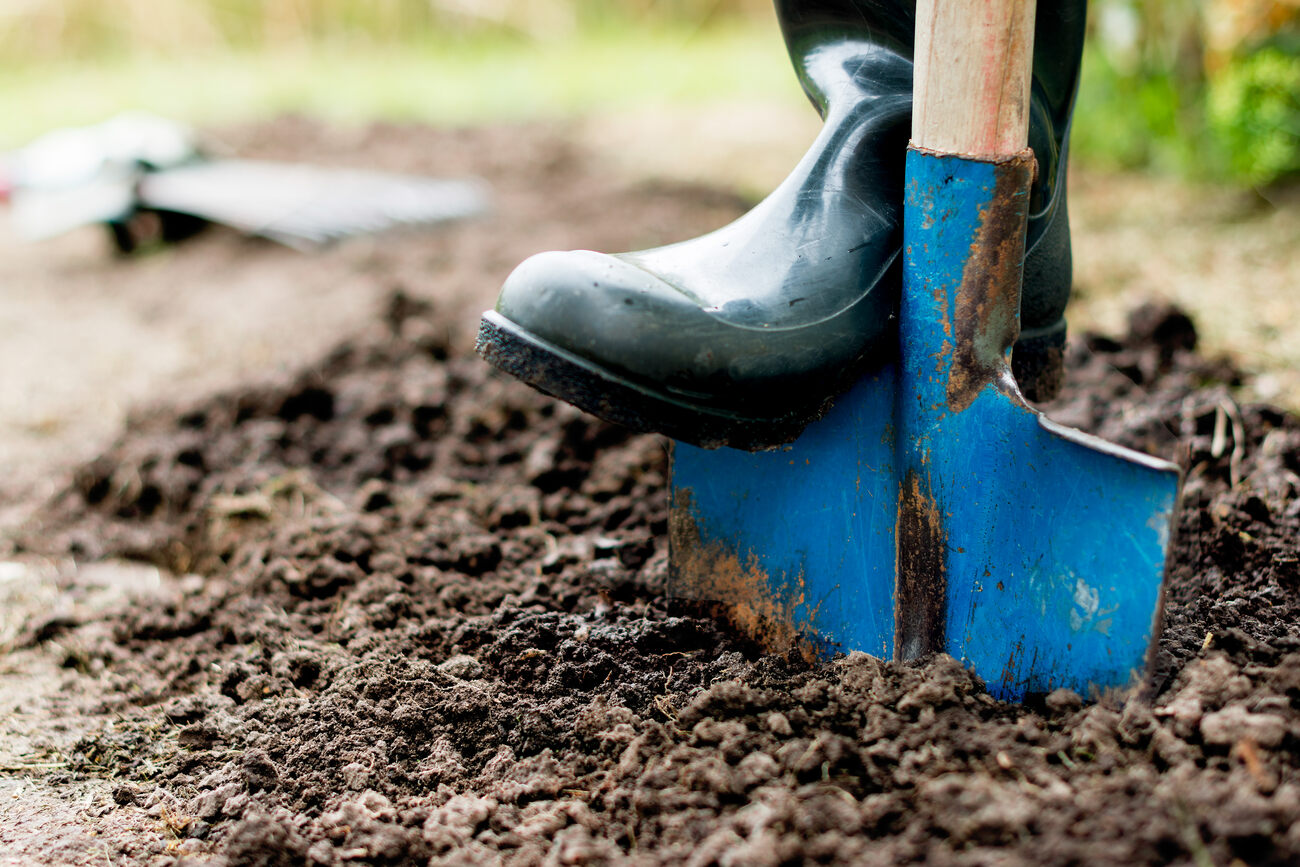
Most lawn programs in Southeastern Wisconsin, ours included at times, start by treating the plant. Feed it, control the weeds, water it correctly, mow it right. Those things all matter.
But every one of them is a response to symptoms in the top layer. The soil underneath determines whether any of it holds. And unlike the grass, the soil does not show you what it needs by looking at it. You have to measure.
Fall is the right time to do that measuring, and the reason is practical rather than scientific: results in September or October leave you a full fall and the following spring to act on them, and the corrective work that soil tests usually recommend is fall work anyway.
Three reasons, in order of importance.
First, the actions a report typically calls for are fall actions. Lime to correct pH works slowly and benefits from months in the soil. Compost topdressing goes down best right after aeration, which is a fall service. Potassium corrections support winter hardiness, which is a fall objective. A report received in May often has to wait until the following fall to be acted on properly.
Second, the numbers are more representative. A soil sample pulled shortly after a heavy spring fertilizer application reflects the application more than the soil. Late-season samples, taken well after the growing season's inputs, give a truer baseline.
Third, it changes what you buy next year. A program built on measured needs stops paying for nutrients the soil already has plenty of, which on the phosphorus side is very common.
This is the most important single number on the page, because pH controls whether the other nutrients are available to the plant at all. Cool-season turf does best in the neighborhood of slightly acidic to neutral. Outside that range, nutrients can be present in the soil and still be locked away from the grass.
The practical consequence is significant. A lawn with pH drifting out of range can be fertilized repeatedly and stay pale, because the nutrition is there and the plant cannot reach it. That is money spent on a problem the fertilizer was never going to solve.
Correction is slow and it is chemistry, not marketing. Lime raises pH, sulfur lowers it, and both take months to move the number. This is why a fall test matters: it lets the correction begin now and be measurably better by next season.
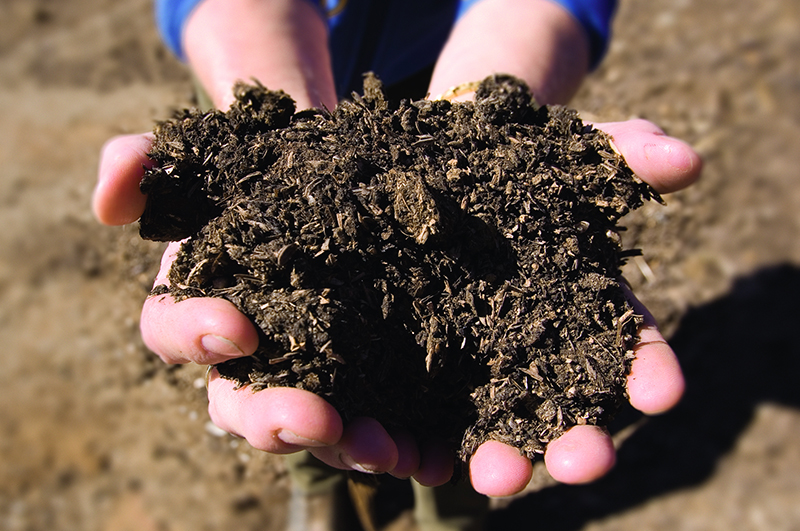
Organic matter is the number an organic-based program watches most closely, and the one most homeowners have never looked at.
It represents the decomposed and decomposing material that gives soil structure, holds water and nutrients, and feeds the microbial population. On the clay-heavy soils common across our service area, organic matter is what separates soil that drains and breathes from soil that compacts into a hard layer.
Most residential lawns in Southeastern Wisconsin come back lower than ideal, and there is a reason. Construction typically strips topsoil, the finished grade often gets a thin layer of whatever was available, and decades of bagging clippings and hauling leaves away exports organic matter without replacing it.
The fix is not a product you spray. It is compost topdressing, returning clippings, mulching leaves, and time. Organic matter moves slowly, on the order of years, which is why knowing the starting number is worth something.
Phosphorus supports root development and establishment, which makes it relevant when seeding. It is also the nutrient most likely to already be sufficient, and the one with the clearest environmental consequence when it is not needed.
Phosphorus that a lawn cannot use does not stay put. It moves with runoff into storm drains and from there into the lakes and rivers that make this part of Wisconsin what it is, where it feeds the algae growth that degrades water quality. Wisconsin has restricted phosphorus lawn fertilizer for exactly this reason, with an exception for documented need, and a soil test is the documentation.
So a test either establishes that your property has a genuine need or confirms that applying it would be both wasted money and an avoidable contribution to a real local problem.
Potassium is the quiet one, and it matters more in Wisconsin than in milder climates. It supports stress tolerance, disease resistance, and cold hardiness, which is to say it supports exactly the things a lawn needs to survive a winter here.
Because potassium is more mobile in soil than phosphorus, it depletes more readily, and it is a common genuine deficiency in our area. A fall potassium correction, guided by a test, is one of the more directly useful things a report can tell you.
A soil test is only as good as the sample, and this is where do-it-yourself testing usually goes wrong.
One scoop from one spot describes one spot. Properties are not uniform: a sunny front lawn, a shaded back corner, and a strip along the driveway can return meaningfully different numbers. The correct approach is a composite: several plugs taken from across the area, pulled to root depth of roughly four to six inches, mixed together, and submitted as one representative sample.
Areas that behave differently deserve their own sample. If one section of the lawn has always struggled while the rest is fine, testing it separately is how you find out whether the cause is in the soil.
Avoid sampling immediately after a fertilizer or lime application, and avoid unusual spots: where a pile of material sat, right at the drip line of a downspout, or over a filled-in utility trench.
A soil report is data, not instructions. Translating it is the part that has value.
If pH is out of range, that correction comes first, because it determines whether anything else you apply is usable. If organic matter is low, compost topdressing after aeration becomes a recurring line on the program rather than a one-time service. If potassium is short, that shapes the fall feeding. If phosphorus is already adequate, that is a line item removed from the plan.
The pattern worth noticing is that most soil report recommendations are not "apply more fertilizer." They are structural. That is the practical case for an organic-based program in one paragraph: fix the soil and the plant needs less help.
Every three to four years is reasonable for a stable property. More frequently if you are actively correcting a problem and want to confirm the numbers are moving, or after significant work like a renovation or new construction.
They can give a rough pH indication. They generally do not provide reliable organic matter, phosphorus, or potassium figures, which is where most of the useful information lives. For decisions you are going to spend money on, a lab test is worth the difference.
Typically a couple of weeks depending on the lab and the season. Pulling samples in early fall usually means having the report in hand while there is still time to act on it before winter.
Sometimes, and it is one of the best uses of a test. Persistent problem areas often have a soil explanation, whether pH, compaction, or buried construction debris. When the numbers come back normal, that is useful too, because it redirects attention to shade, drainage, or traffic.
Soil testing is the least visible service on a lawn program and the one that makes the rest of it accountable. Fall is the right time to pull it, because the corrections it recommends are fall work and because the results arrive with a season available to use them. It replaces a year of guessing with a plan, and on most Wisconsin properties it points somewhere more useful than the fertilizer aisle.
Want a soil test and a plan built on what your lawn actually needs?
Request a free quote at begreen.pro/get-a-quote
(262) 361-4034
Live greener. Grow better. Enjoy more.
Whether it’s your lawn, trees, shrubs, or pest issues – we’re ready to help you with Eco-friendly solutions. No matter what season.